


Thematic workshop
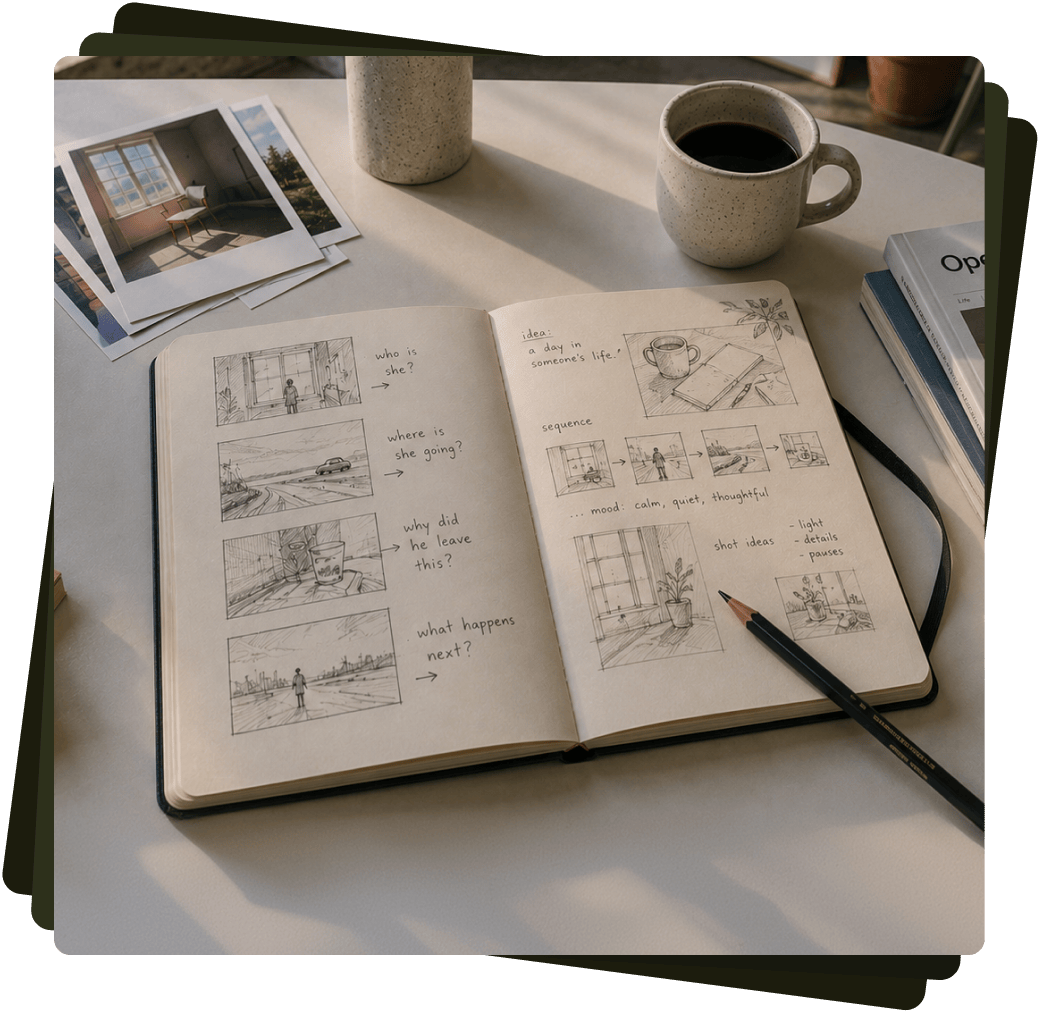
Hitchcock said a film should use dialogue only when there is no other way to tell the story. This workshop is about all the other ways: one day, three writing exercises, and practical techniques for writing visual, “filmable” screenplays.
The upcoming workshop are in:
Days
Hours
Minutes
Seconds
00 00 00 00

Portfolio
Three scenes written during the workshop, each one projected, workshopped with the group, and given detailed feedback

Format
One 8-hour meeting: about 70% writing and feedback, 30% theory and tools

Language
The workshop will be in English!
Visual screenwriting – thematic workshop
Everyone can tell a story. Telling a story in pictures is a craft, and it has to be learned. A screenplay is not a novel. It is a set of instructions for a director and for actors, and when the film is already clear on the page, they can see straight away what to do with it. Writers who write clearly and visually get hired more often.
This workshop is a one-day intensive on how to do it. We work on telling the story through action, behaviour, objects, and places, instead of through dialogue and description.
It is a good workshop for playwrights and novelists who want to learn to write for film, and for experienced screenwriters who want to write more visually. Every screenwriter can get better at this.
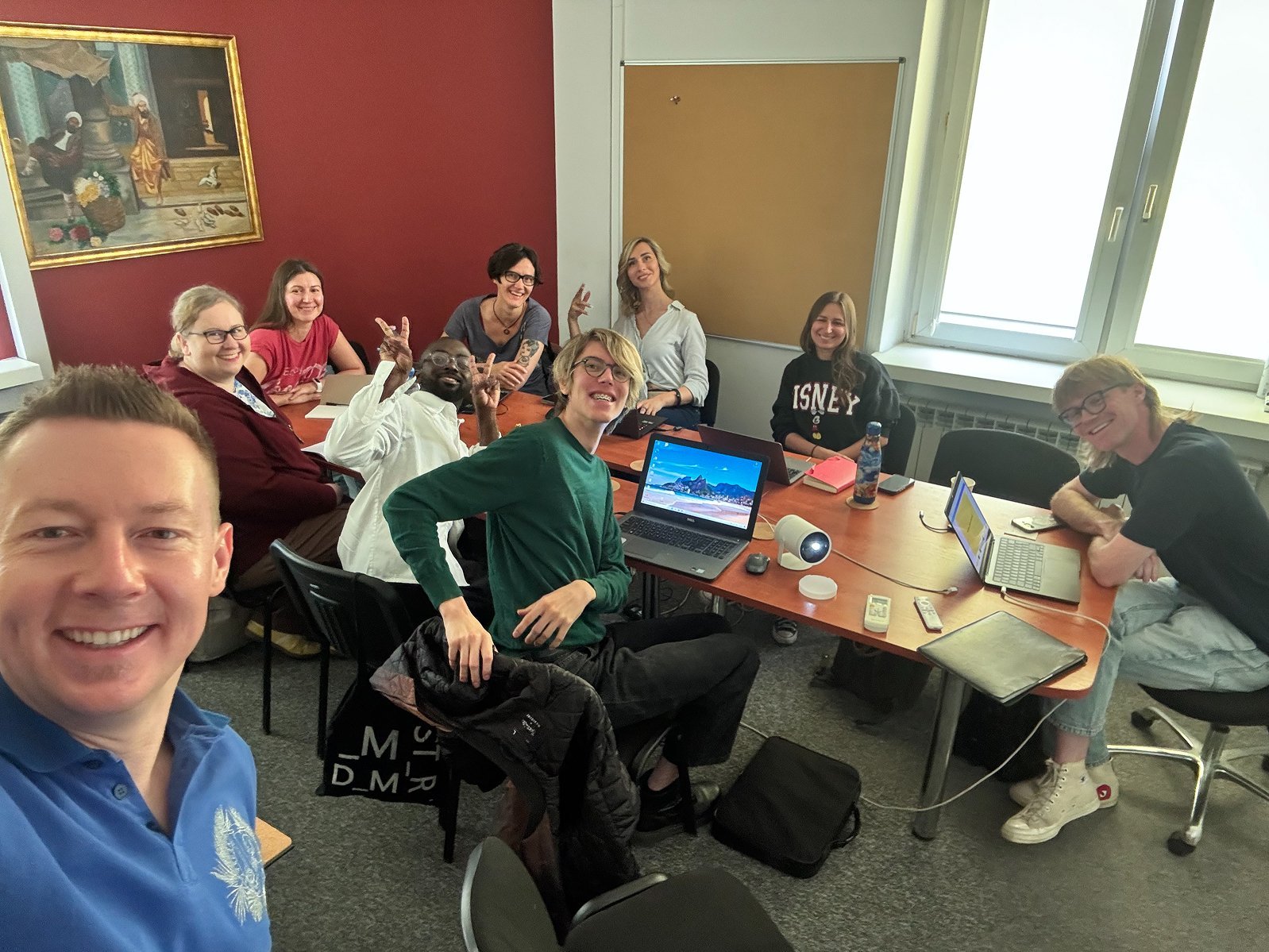
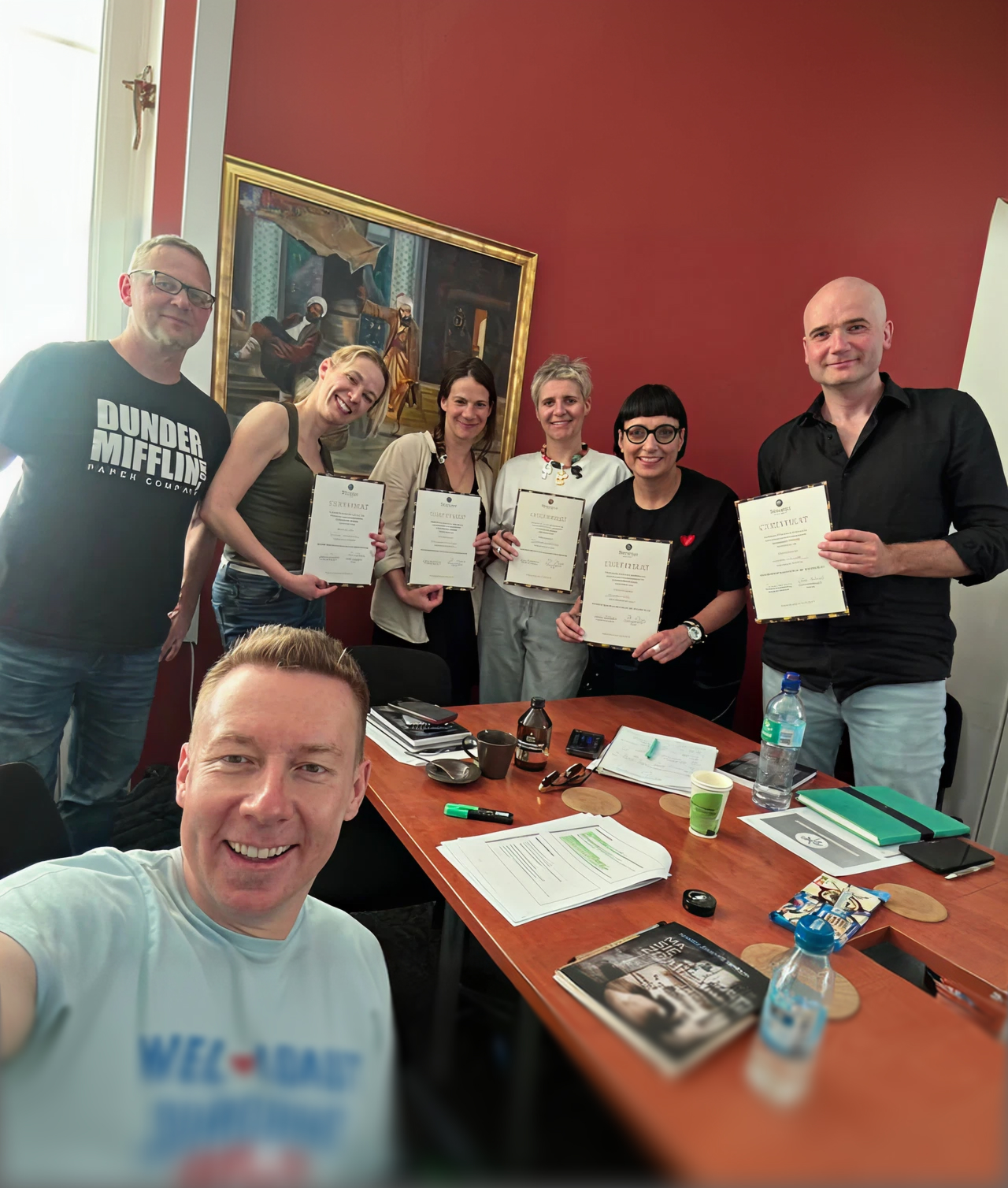
How does the workshop look?
The day begins with a lesson on how much a film can tell us with no dialogue at all: who a character is, where they are, and what they want. After that, the day is built around three writing exercises. Before each exercise there is a short lesson, and after each exercise there is a feedback session run like a writers room, where everyone is encouraged to give feedback on each other’s scenes.
You will get the three prompts the evening before the workshop, so you can start thinking about them. All the writing happens in the room. Bring your laptop, because during the feedback sessions we put your pages on the screen and discuss them with the whole group.
Every lesson is built on examples. We watch scenes from classic and contemporary films that tell their story visually, take apart how they were built, and look at how the same moment works on the page. Then you write your own, and you get feedback on it the same day.
We also name the most common pitfalls in visual writing: scenes that explain instead of show, action lines nobody can film, feelings written down where behaviour should be, information handed to the audience in dialogue. For each one you get a technique you can use immediately, in this workshop and in your own scripts afterwards.
You will leave with three scenes, feedback on each of them, and a method you can use in your own writing.
Testimonials from Our Students
Karina Kunkiewicz
Read More
Na kursie świetnie przekłada się wiedzę teoretyczną na praktykę pisania. Urocze jest to, że na pomoc prowadzących liczyć można także po zakończeniu zajęć lub pomiędzy nimi.
Maria Konarowska
Read More
Historia jest prosta: konfliktu nie było, warsztaty świetne ! Protagonista – Wiktor, do zjedzenia, a grupa pełna pomysłów. W podziękowaniu za otwarcie głowy.
Magdalena Margulewicz
Read More
A więc tak się to robi !!! Dzięki BAHAMA FILMS!
Zuzanna Kochańska
Read More
Jestem zadowolona, bo dostałam to, czego oczekiwałam, czyli kopai regularne oceny pracy.
Witold Dobrowolski
Read More
Zaskakująco dobrze prowadzone zajęcia. Ogrom przydatnych materiałów. Zapewne tutaj rozpoczną swoją przygodę z filmem przyszli pierwszorzędni scenarzyści polscy.
Tomasz Gromadka
Read More
Warsztaty w sprawny i atrakcyjny sposób uczą podstaw warsztatu i pozwalają zmobilizować się do pisania. Przekazywane treści są bardzo przydatne.
Jakub Sudół
Read More
Na kursie świetnie przekłada się wiedzę teoretyczną na praktykę pisania. Urocze jest to, że na pomoc prowadzących liczyć można także po zakończeniu zajęć lub pomiędzy nimi.
Paulina Kaczorek
Read More
Trafiłam na kurs ze względu na swoje zainteresowania. To co do tej pory było dla mnie niemożliwe, wreszcie jest! Mam swój scenariusz i jestem z tego bardzo dumna. 🙂
Marzanna Polit
Read More
Udział w Kursie Scenariopisarstwa to świetna zabawa. Jego rezultatem jest prawdziwy scenariusz filmowy. Można się poczuć prawdziwym zawodowcem.”
Agata Krzewińska
Read More
Bardzo się cieszę, że zdecydowałam się na te warsztaty. Dużo się nauczyłam, zarówno w pisaniu scenariuszy, jak i o sztuce filmowania. Bardzo rozwijające zajęcia, fajna atmosfera, będę polecać innym.
Krzysztof Michaluk
Read More
Konkretnie. Rzeczowo. Bez zbędnych dygresji. Zabrakło konfliktu, ale w tym przypadku to akurat atut. 🙂
Urszula Zinserling
Read More
Super! Polecam wszystkim, nie tylko przyszłym scenarzystom, każdemu, kto chce nauczyć się rzetelnego opowiadania historii. Najcenniejsze jest to, że można nauczyć się solidnej praktyki, a nie tylko teorii. Poza tym na kursie panuje bardzo sympatyczna i przyjacielska atmosfera.
Lubomir Klukowski
Read More
O współtworzeniu filmów marzyłem w różnych latach swego życia, ale zawsze wydawało mi się to nierealne. Po poznaniu na Kursie podstaw planowania i pisania scenariusza zrozumiałem, że reszta zależy już wyłącznie ode mnie.
Justyna Bułdys
Read More
Kurs przeszedł moje oczekiwania. Bardzo przyjemna atmosfera, zachęcająca do aktywności. Prowadzący posiadają dużą wiedzę i doświadczenie i umieją to przekazać. Motywują do pracy, choć nie słodzą (i dobrze). Bardzo szczegółowe uwagi, analiza indywidualnych praca pomocna dla uczestników. Zdecydowanie polecam!
Paulina Król
Read More
Konieczność stworzenia przez grupę gotowego pakietu serialowego jest bardzo mobilizująca i praktyczna. Jak zwykle bardzo solidnie przygotowany kurs.
Małgorzata Piłacińska
Read More
Idealne rozwiązanie dla wszystkich, którzy chcieliby pisać, ale nie wiedzą jak zacząć… lub jak zakończyć. Zobaczyć swój pomysł na kilkudziesięciustronach, zamknięty magicznym słowem „KONIEC” . Bezcenne.
Krzysztof Grajper
Read More
Kurs dał mi sporą wiedzę nie tylko na temat samego procesu pisania scenariusza, ale także sposobów na jego promocję i sprzedaż. Był to także bardzo miło spędzony czas, bo przebywanie z ludźmi tak jak ja fascynującymi się filmami to sama przyjemność.
Jarosława Bowszyc
Read More
Bardzo ciekawy i wprowadzający w branżę kurs. Daje możliwość pozyskania nowej wiedzy oraz poznania i kontaktu z bardzo interesującymi ludźmi ze świata filmu.
Łukasz Prokulski
Read More
Kurs otworzył mi oczy na kino – teraz oglądam filmy, analizując je przede wszystkim pod kątem scenariusza. Był świetny jako początek pracy nad swoimi dziełami. Mam nadzieję, że to nie tylko impuls, ale pierwszy krok do rozwoju w tym kierunku.
Andrzej Stangret
Read More
Jeśli masz jakiś pomysł na film, a nie wiesz jak się za to zabrać, warto przyjść na ten kurs. Rozsądne połączenie teorii z praktyką i najważniejsze – efekt w postaci gotowego scenariusza.
Jerzy Barbarowski
Read More
Kurs bardzo dobry, prowadzony w bardzo sympatycznej i przyjemnej atmosferze. Odpowiednio intensywny z właściwym naciskiem zarówno na praktykę, jak i teorię.
Natalia Kędra
Read More
Szczerze mówiąc spodziewałam się improwizowanego kursiku – wyłudzacza, ale jestem bardzo pozytywnie zaskoczona. Kurs przygotowany z zaangażowaniem, ciekawy i dający w miarę pełny obraz. Super, że coś takiego powstało i to w naprawdę udanej formie.
Krzysztof Siemieński
Read More
Bardzo pożyteczny kurs. Prowadzący mobilizują kursantów do systematycznej pracy nad własnymi pomysłami, które krystalizują się w końcu i przybierają postać gotowego tekstu.
Monika Kowalczuk
Read More
Program kursu został bardzo precyzyjnie opracowany. Każde spotkanie jest krokiem w kierunku własnego scenariusza.
Elżbieta Zegardło
Read More
Ciekawa inicjatywa, brakowało czegoś takiego. Kurs pozwala zajrzeć trochę do świata filmu, zobaczyć jak pisanie scenariusza wygląda w praktyce. Czekam na kontynuację.
Natalia Gawrońska
Read More
Pan Wiktor może nie do zjedzenia, ale ciastka przez Niego serwowane na pewno. Prowadzący nie zrzędzi, nie czepia się, ma bardzo dobre poczcie humoru. Dzięki temu ad hoc podpowiada nam rozwiązania, również komediowe. Kiedyś myślałam, że te wszystkie pochlebne komentarze w sieci o warsztatach Bahama Films są efektem działań wynajętej agencji reklamowej, ale już wiem, że muszą być autentyczne.
Justyna Michalczyk
Read More
Otwierają głowę, inspirują, pozwalają uwierzyć we własne siły. Merytoryka podana w bardzo przystępnej i otwartej formie. Dużo praktyki, odwrotność nauczania akademickiego.
Karol Tarasewicz
Read More
Uwielbiam w Wiktorze to, że nawet jak pogubisz się w scenariuszu, On nigdy cię nie zostawi i cierpliwie odpowie na wszystkie pytania… a w prowadzeniu zajęć rewelacyjny.
Joanna Niczyj
Read More
Podczas warsztatów najbardziej podobało mi się obserwowanie, jak mój tekst ewoluuje od trzech linijek logline’u, poprzez synopsis, treatment, drabinkę i pierwsze sceny, aż po „pełną wersję”. Każdy etap był w trakcie zajęć szczegółowo omawiany, a małe grupy były gwarancją, że wszyscy otrzymają należytą porcję uwagi. Polecam te warsztaty wszystkim początkującym scenarzystom.
Aleksander Pojda
Read More
Warsztaty umożliwiają poznanie magii kina.
Agnieszka Żuchowicz
Read More
Kurs dał mi dobre podstawy do pisania scenariuszy. Sama nie nauczyłabym się tego w domu. Bardzo cenne były uwagi nie tylko prowadzącego, ale i pozostałych uczestników. Praca w grupie to dobry doping do napisania pierwszego scenariusza.
Sławomir Tomczak
Read More
Bardzo ciekawy program i sposób prowadzenia zajęć. Dużo istotnych i praktycznych informacji. Mobilizująca forma prac domowych, prowadzących stopniowo do ostatecznego celu – scenariusza.
Paweł Raczkowski
Read More
Polecam. Świetne miejsce by rozpocząć przygodę z filmem. Trzeba najpierw nauczyć się chodzić by potem biegać. Tu potknięcia nie bolą. 🙂
Marta Bugała
Read More
Warsztaty o dużej zawartości merytorycznej. Prowadzący z wielką pasją i zaangażowaniem przekazuje wiedzę „świeżakom” i wprowadza w świat filmu. Jeśli myślisz o pisaniu scenariuszy, koniecznie wybierz BAHAMA FILMS.
Jakub Wójcik
Read More
Dobra organizacja, dużo przydatnych informacji i miła atmosfera. Zajęcia prowadzone są z pomysłem.
Kamil Barczentewicz
Read More
Te warsztaty były dla mnie pewną terapią w odkodowywaniu filmu jako sztuki przez duże „S”. Pomogły mi w zrozumieniu mechanizmów jakimi rządzi się sztuka filmu. Chodź z początku terapia była bolesna, teraz wiem, że była potrzebna. Już nigdy nie spojrzę na film tak samo jak dawniej.
Agnieszka Sękowska
Read More
Bardzo dobre wprowadzenie dla osób chcących nie tylko zbudować swoją filmową wiedzę, ale również szukających motywacji, aby napisać swój pierwszy scenariusz.
Zhanna Khabanova
Read More
Bardzo miła atmosfera, fajni ludzie, dużo ciekawych materiałów. Zdecydowanie warto przyjść. 🙂
Cezary Skrzypczyński
Read More
Świetne warsztaty, przygotowane starannie, profesjonalnie i z dużym zaangażowaniem. Zmieniają sposób odbierania filmu. Chapeau bas!
Justyna Kwiecińska
Read More
Normalnie w życiu nie wytrzymałabym na zajęciach na uczelni 5 godzin, a tu czas, w miłym towarzystwie, rozmawiając o fajnych rzeczach, leci szybko.
Michał Roguz
Read More
Jeżeli chcesz nauczyć się pisać scenariusze, to na tych warsztatach na pewno to zrobisz.
Zbigniew Człapa
Read More
Warsztaty fajne, prowadzenie bardzo fajne, a Wiktor (prowadzący) to super fajny człowiek z mocną głową. 🙂
Ewa Pochłopień
Read More
Pełen profesjonalizm a jednocześnie świetna zabawa. Polecam!
Agnieszka Rogala
Read More
Mnóstwo świetnej zabawy i ogromnie kreatywny czas.
Anna Bogusławska
Read More
Teoria z dużą dawką praktyki i przykładów filmowych. Polecam każdemu, kto chce zacząć swoją przygodę ze scenopisarstwem
Paulina Mucha
Read More
Warsztaty, które potrafią zarazić pasją do kina. Jeśli szukasz miejsca, w którym poznasz teorię i praktykę pisania scenariuszy, jest to właściwe miejsce.
Izabela Szymkuć
Read More
Polecam kurs Scenariopisarstwo dla początkujących, aby sprawdzić, jak Twoje wyobrażenie o pracy scenarzysty ma się do rzeczywistości. Dużo merytorycznych zagadnień i ich praktycznych zastosowań.
Łukasz Brzezicki
Read More
Masz pomysł w głowie, ale nie wiesz, jak zacząć? Warsztaty Wiktora to odpowiednie miejsce dla Ciebie.
Anna Komada
Read More
Jestem bardzo zadowolona z zajęć- w 100% są warte swojej ceny. Pragnęłam zgłębić tajniki scenariopisarstwa i na warsztatach otrzymałam odpowiednie ku temu narzędzia. Pomoc prowadzącego w tworzeniu scenariusza- bezcenna. Wspaniała atmosfera podczas zajęć, wspaniali ludzie. Gorąco polecam wszystkim, którzy pragną realizować marzenia o filmie.
Joanna Stacewicz-Podlipska
Read More
Znakomity program i perfekcyjna realizacja. Polecam z pełnym przekonaniem !
Łukasz Grzywacz
Read More
Świetnie prowadzone zajęcia, super atmosfera w pełni spełniono moje oczekiwania.
Filip Szawernowski
Read More
Sensownie. To pierwsze słowo jakie przyszło mi do głowy. Warto zaznaczyć, że warsztaty wniosły do mojego życia znacznie więcej niż się spodziewałem. Może nie wytatuuje sobie loga BAHAMY, ale będę ewangelizował wszystko z nią związane !
Karolina Kot
Read More
Warto 🙂
Previous
Next
Workshop programme
- What a film can tell us without dialogue: character, place, and story through action
- Action lines: nouns, verbs, atmosphere, and writing only what can be seen and heard on screen
- Character is action: choosing the activity that shows us who a character is
- Showing what a character feels through behaviour, objects, and surroundings
- Common pitfalls in visual writing, and practical techniques to fix them
- Scene studies: visual screenwriting in classic and contemporary films
Your coaches
Wiktor Piątkowski created and co-wrote HBO’s first original series produced in Poland (Wataha) and the first Polish romantic comedy produced by Netflix (Squared Love). Over the last 17 years he has worked as showrunner, head writer, screenwriter and producer on various shows (crime series, soap operas, scripted reality, period dramas, sitcom), with more than 2000 hours of TV produced. A sitcom he co-created and co-wrote, Just Push Abuba, premiered in 2018 on ZDF. Wiktor is the head writer of the first Polish TV series produced by Viaplay (Murderesses), the first co-production between Canal+ and Polsat (Sortownia) and the first political thriller series produced by Polsat (Vote of no Confidence). Wiktor’s filmography includes, among others, the feature films Heart Parade (Netflix) and Holidays Backwards (which he also produced), and the TV series War Girls.
Wiktor graduated from the Polish National Film School in Łódź, the Warsaw School of Economics, and Warsaw University (psychology), and is an alumnus of Serial Eyes (organized by the Deutsche Film and Fernsehakademie Berlin, and the London Film School), European TV Drama Series Lab, European Showrunner Training, Canneseries Writers Club, The Owl, Midpoint, Racconti and Berlinale Talents. He has participated in many screenwriting courses, led by, among others Syd Field, John Truby, Robert McKee, Linda Seger, Dov Simens, Glen Benest and Sammy Montana. The list of his mentors includes James V. Hart (Dracula, Hook, Contact), Frank Spotnitz (The X Files, The Man in the High Castle), Graham Yost (Speed, Justified) and Jeff Melvoin (Northern Exposure, Designated Survivor, Killing Eve).
Wiktor Piątkowski is also a member of SEAN, the Dirty Dozen Collective, the Polish Filmmakers Association (SFP) and the Polish Screenwriters’ Guild. He has a PhD in television marketing, runs screenwriting workshops in Poland and abroad, and manages Bahama Films, an independent production company based in Warsaw.
Jacob Ramsay
Jacob Ramsay is an American filmmaker and MFA graduate in Film Directing from FAMU Prague. He spent nearly a decade working in the New York film industry, with credits including HBO’s Vinyl (Scorsese), A24’s How to Talk to Girls at Parties (Mitchell), and Maggie’s Plan (Miller), before moving to Central Europe to write and direct. His screenplays and film projects have won awards at international festivals, and his short films have been included in the Cannes Short Film Corner and screened worldwide. He designed and taught a practical directing course at FAMU International, served as a script doctor, and has taught filmmaking workshops in the United States, Macedonia, Czech Republic, and Italy. He is based in Warsaw, where he writes, directs films and music videos.
Class location
Visual screenwriting
Thematic workshop
800 PLN

- 8 hours in a small group
- 3 writing exercises
- learning to tell the story through pictures
Wypełnij formularz zgłoszeniowy
Zgodnie z art. 13 ust. 1 i 2 RODO informujemy, że administratorem Pani/Pana danych osobowych jest BAHAMA FILMS, Wiktor Piątkowski, ul. Puławska 61, 02-595 Warszawa. Przetwarzamy Pani/Pana dane wyłącznie w celu rekrutacji na warsztaty, a w przypadku wyrażenia dodatkowej zgody na otrzymywanie oferty Bahama Films, dane przetwarzane są również w celach marketingowych. Pani/Pana dane będą przetwarzane nie dłużej, niż jest to konieczne do komunikacji z uczestnikami warsztatów, a po tym czasie mogą być przetwarzane przez okres przedawnienia ewentualnych roszczeń. Podanie przez Panią/Pana danych jest dobrowolne, ale konieczne do rekrutacji na warsztaty. Ma Pani/Pan prawo do żądania dostępu do swoich danych osobowych, ich sprostowania, usunięcia lub ograniczenia przetwarzania, prawo wniesienia sprzeciwu wobec przetwarzania, a także prawo do przenoszenia swoich danych oraz wniesienia skargi do organu nadzorczego.